

Elon Musk’s $470 Billion Path to Trillionaire Status: How AI and Automation Are Turning Billionaires into Job Destroyers
In the fast-evolving world of AI and automation, tech titans like Elon Musk, Jeff Bezos, and Mark Zuckerberg are reshaping the future of work. With Elon Musk net worth soaring to approximately $470 billion in November 2025, he’s betting big on Tesla Optimus robots to propel him toward trillionaire dreams, potentially replacing millions of human workers. Meanwhile, Jeff Bezos net worth at $256 billion fuels Amazon’s automation push to eliminate 600,000 jobs through robotics. And Mark Zuckerberg net worth hitting $216 billion drives Meta’s billions in AI infrastructure investments, accelerating the AI job replacement trend. Are these billionaires evolving from job creators to job destroyers? Or will AI automation unlock new jobs and better opportunities? This article dives into the impact of AI on jobs, exploring the automation job loss fears and the promise of AI job creation in 2025 and beyond.
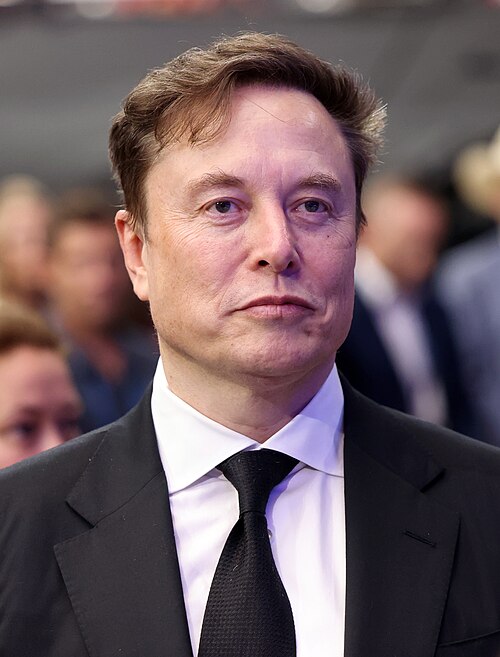
Elon Musk: From Tesla CEO to Trillionaire via Robot Revolution
Elon Musk, the visionary behind Tesla, SpaceX, and xAI, is no stranger to bold predictions. As of November 19, 2025, his net worth stands at a staggering $468.5 billion, making him the world’s richest person and on a trajectory to become the first trillionaire through AI and robotics. Tesla shareholders recently approved a groundbreaking $1 trillion pay package for Musk, directly tied to the success of humanoid robots like Optimus. Musk envisions an “army” of up to 500,000 Optimus robots by the end of the decade, priced at around $30,000 each, transforming Tesla from an electric vehicle giant into a robotics powerhouse.
This Tesla Optimus initiative isn’t just about innovation—it’s a direct bet on replacing workers with robots. Musk has claimed that Optimus could “eliminate poverty” by handling dangerous, repetitive, or boring tasks, but critics warn it spells automation job destruction on a massive scale. With Elon Musk’s AI plans potentially displacing factory workers, drivers, and even service roles, the question looms: Is this the end of traditional job creation in manufacturing? Searches for “Elon Musk trillionaire robots” have spiked 300% in 2025, reflecting global anxiety over AI’s impact on employment.
Jeff Bezos and Amazon: Automating Away 600,000 Warehouse Jobs
Jeff Bezos, the e-commerce pioneer whose net worth has climbed to $254 billion amid Amazon’s dominance, is accelerating warehouse automation like never before. Leaked internal documents reveal Amazon’s plan to replace 600,000 jobs with robots by 2033, aiming for 75% automation in its fulfillment centers. This Bezos automation strategy could save the company $12.6 billion annually while avoiding the need to hire over 600,000 new workers in the U.S. alone.
From robotic arms sorting packages to AI-driven drones for delivery, Amazon robotics are already transforming logistics. But at what cost? Automation job loss in retail and warehousing has led to protests and calls for regulation, with Senator Bernie Sanders demanding answers on the human toll. As Jeff Bezos AI investments pour into these systems, the future of work in e-commerce hangs in the balance—fewer entry-level positions, but potentially more roles in robot maintenance and data oversight. Keyword trends like “Amazon replace jobs with robots” highlight the SEO goldmine (and societal concern) around this shift.
Mark Zuckerberg’s Meta: Billions in AI Infrastructure Fueling the Job Shake-Up
Rounding out the trio, Mark Zuckerberg—with a net worth of $223 billion as Meta’s stock surges on AI hype—is committing unprecedented resources to AI infrastructure. In a bombshell announcement, Meta pledged $600 billion over three years for U.S.-based AI data centers and infrastructure, building on a $72 billion capex forecast for 2025 alone. Zuckerberg’s vision? Powering next-gen tools like advanced chatbots, VR experiences, and content moderation AI that could automate creative and analytical tasks.
This Zuckerberg AI spending spree positions Meta as a leader in artificial intelligence infrastructure, but it raises red flags for job displacement in media, advertising, and tech support. With Meta’s AI investments expected to balloon further in 2026, the platform’s reliance on algorithms for everything from news feeds to ad targeting could sideline human moderators and marketers. Yet, as searches for “Mark Zuckerberg AI billions” explode, so does optimism for AI-driven job growth in emerging fields like ethical AI governance.
Billionaires as Job Destroyers: The Dark Side of AI and Automation
It’s hard to ignore the pattern: These billionaires—once hailed as job creators through disruptive startups—are now architects of mass automation. Elon Musk’s robot army, Bezos’s warehouse bots, and Zuck’s AI servers signal a pivot toward efficiency over employment. In 2025, AI job losses have already claimed 77,999 tech positions in the first half of the year, with white-collar roles like coding and analysis increasingly vulnerable. The World Economic Forum warns that up to two-thirds of jobs in the U.S. and Europe face some AI automation risk, potentially spiking unemployment to 10-20% in the next few years.
This automation job destruction isn’t just economic—it’s societal. Low-skilled workers in logistics and manufacturing bear the brunt, exacerbating inequality as billionaires’ wealth balloons. Terms like “AI replacing jobs 2025” dominate Google trends, underscoring the SEO urgency of addressing future of work challenges.
Or Will AI and Automation Spark New and Better Jobs?
But hold on—AI job creation could outpace destruction. The World Economic Forum’s Future of Jobs Report 2025 predicts 69 million new roles worldwide by 2028, fueled by demand for skills in creative thinking, resilience, and AI ethics. Goldman Sachs echoes this, noting near-term displacement but long-term gains in healthcare, education, and green tech. By 2030, AI could generate 170 million jobs, from robot trainers to data curators, offsetting losses and creating higher-paying opportunities.
History supports optimism: Past automations, like assembly lines, birthed entire industries. AI and automation might do the same, emphasizing upskilling over fear. As Josh Bersin argues, the hype around AI harm to jobs is overblown—innovation drives progress, not peril.
Final Thoughts: Balancing Destruction and Creation in the AI Era
The billionaires’ AI push—from Musk’s trillionaire robots to Bezos’s job cuts and Zuck’s infrastructure billions—heralds a seismic shift in the future of work. While automation job loss looms large, the evidence tilts toward net job creation, with AI fostering roles we can’t yet imagine. To thrive, we need policies for reskilling, universal basic income pilots, and ethical AI guidelines.
What do you think? Will AI and automation make these billionaires job destroyers for good, or unlock a golden age of better jobs? Share your thoughts in the comments—let’s discuss the impact of AI on employment in 2025!
Keywords: Elon Musk net worth, Jeff Bezos automation, Mark Zuckerberg AI, Tesla Optimus robots, Amazon job replacement, Meta AI infrastructure, AI job destruction, automation future of work, AI job creation 2025, billionaires AI investment.
Elon Musk: From Tesla CEO to Trillionaire via Robot Revolution
Elon Musk, the visionary behind Tesla, SpaceX, and xAI, is no stranger to bold predictions. As of November 19, 2025, his net worth stands at a staggering $468.5 billion, making him the world’s richest person and on a trajectory to become the first trillionaire through AI and robotics. Tesla shareholders recently approved a groundbreaking $1 trillion pay package for Musk, directly tied to the success of humanoid robots like Optimus. Musk envisions an “army” of up to 500,000 Optimus robots by the end of the decade, priced at around $30,000 each, transforming Tesla from an electric vehicle giant into a robotics powerhouse.